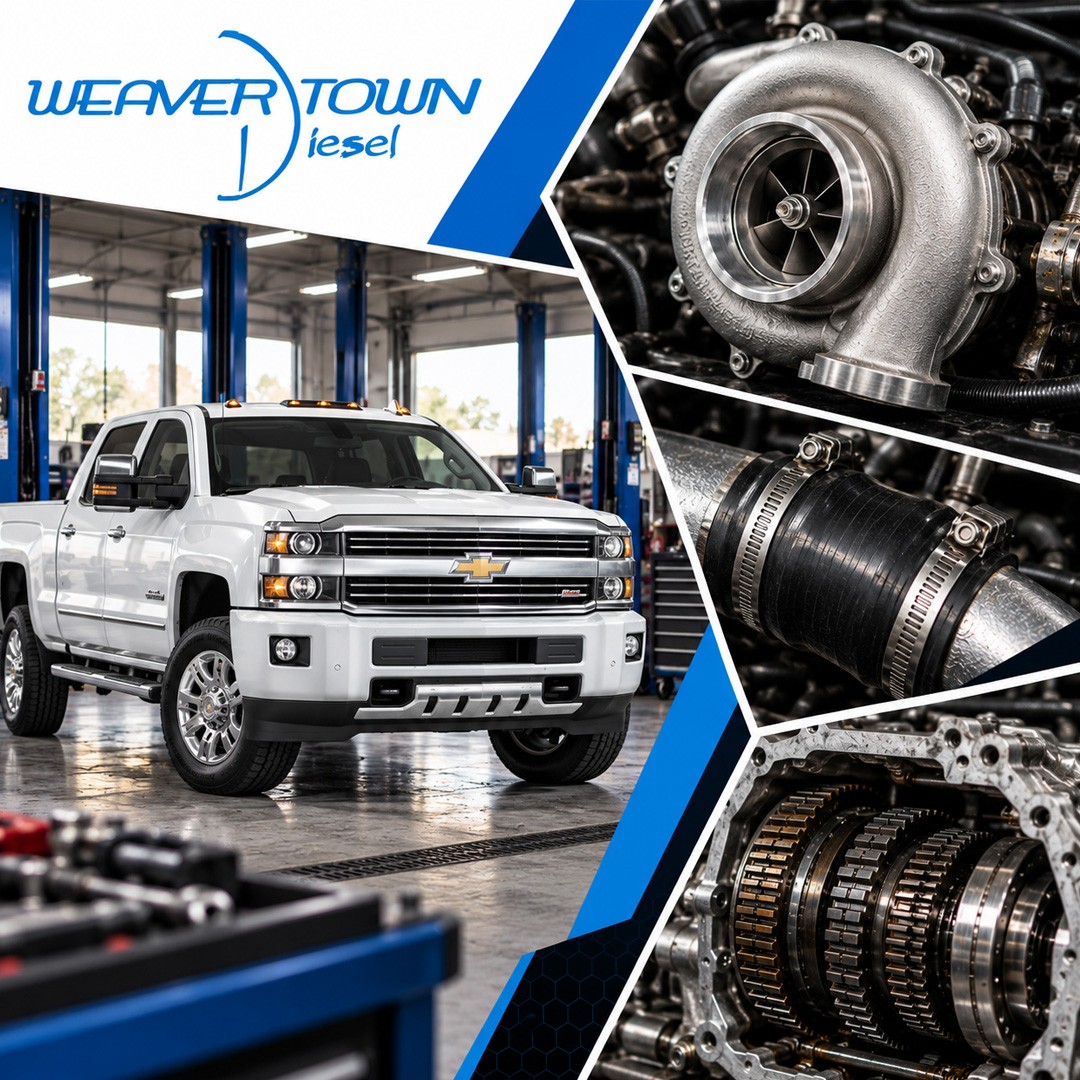
MYERSTOWN, Pa., September 24, 2026 - Weavertown Diesel has published new guidance for Duramax truck owners focused on fuel economy, turbo performance, and signs that may indicate a turbo system needs attention. The guidance covers LB7, LBZ, and LML Duramax trucks and addresses concerns related to fuel costs, towing demands, and changes in truck performance.
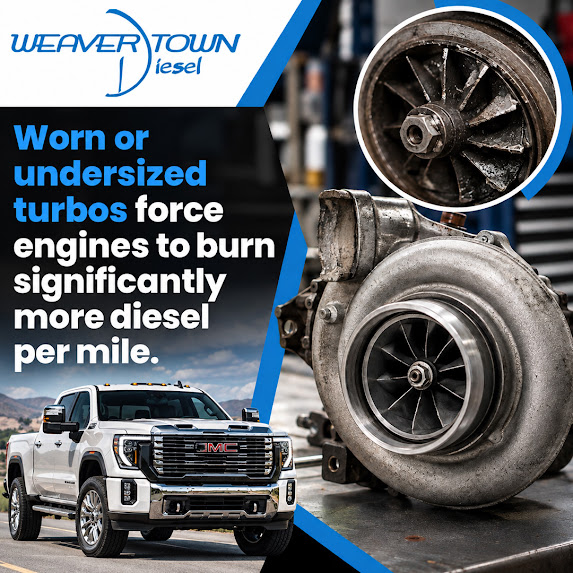
The new guidance explains how turbo condition can affect airflow to the engine and why owners should identify the cause of a performance or fuel economy change before replacing parts.
How Do Turbos Affect the Fuel Economy?
Duramax turbos supply additional air to the engine to support combustion. When the turbo system is working properly, the engine can receive the airflow needed for its fuel demand. As components wear or boost leaks develop, the engine may not receive the expected amount of air. This can affect acceleration, towing performance, smoke levels, and fuel use.
According to the U.S. Department of Energy's FuelEconomy.gov, turbochargers use exhaust energy to force more air into an engine, allowing an engine to produce more power from a given engine size. This makes turbo condition an important factor when evaluating changes in diesel engine performance and fuel use.
What Are the Warning Signs?
The new guidance identifies several changes that may warrant an inspection, including:
-
Lower fuel economy than the truck's normal baseline
-
Slower acceleration
-
Delayed boost response
-
Black smoke under conditions where it was not previously present
-
A new or increasingly loud turbo whistle or whine
-
Higher engine RPM needed to maintain normal driving conditions
These symptoms can have more than one possible cause, so they should not automatically be treated as proof of turbo failure.
How Can Owners Check Turbo Problems?
A basic inspection can help narrow down the source of a problem before a turbo is replaced. Owners can examine intercooler boots and clamps for visible problems, check the air filter, look for intake restrictions, and review stored diagnostic codes.
Comparing current fuel economy with previous records can also help establish whether a real change has occurred. Towing conditions, tire pressure, driving habits, weather, and vehicle load can all affect fuel consumption, making a consistent baseline useful.
"We want Duramax owners to understand that a drop in fuel economy does not always mean the turbo has failed. Checking the complete air and boost system first can help identify the actual problem and avoid replacing parts unnecessarily," said Rendell Weaver, Owner of Weavertown Diesel.
When Is an LB7 Turbo Upgrade Needed?
A Duramax LB7 turbo upgrade may be considered when a factory turbo is worn or when an LB7 truck's current configuration requires different airflow characteristics.
The choice should be based on the truck's condition, engine configuration, intended use, modifications, and tuning. Daily driving and towing can place different demands on the turbo system.
An upgrade is not simply a matter of selecting the largest available turbo. The component should work with the rest of the truck's setup and the owner's intended use.
What Should Owners Know About LBZ Turbos?
Choosing a turbo for LBZ Duramax trucks requires consideration of the truck's intended use and overall configuration. Towing applications can increase the demand for steady airflow and boost, making turbo selection an important part of the truck's setup.
Owners should also consider existing engine modifications and tuning before selecting a replacement or upgraded turbo. A component that works well for one truck may not be the right choice for another LBZ application.
When Is an LML Turbo Upgrade Needed?
An LML Duramax turbo upgrade may be considered when the factory turbo system has developed wear or when an owner's truck requires different performance characteristics. LML trucks use a variable-geometry turbo system, so owners should consider the condition of the existing components along with the truck's mileage, use, modifications, and tuning.
Before replacing the turbo, owners should confirm that the turbo is the actual source of the problem. A boost leak, air restriction, sensor issue, or another component can sometimes produce similar symptoms.
About Weavertown Diesel
Weavertown Diesel is a diesel performance company located in Myerstown, Pennsylvania. The company specializes in diesel performance products and services, with a focus on Duramax applications. Its product range includes turbos, engines, transmissions, and CP3 conversion products. Weavertown Diesel also builds and tests products in-house for diesel truck applications.
Media Contact
Rendell Weaver
Owner, Weavertown Diesel
Phone: (717) 831-6466
Email: weavertowndiesel@gmail.com
Website: https://weavertowndiesel.com/

